
Getting started with affiliate marketing can seem a bit confusing at first, but once you understand the basics, it’s actually pretty straightforward. I’m going to walk you through the core concepts, explain how affiliates, merchants, and networks fit into the bigger picture, and share tips I’ve gathered along the way to help you avoid some of the usual mistakes beginners make. If you stay committed, you’ll see how all your work adds up over time and starts generating real results.
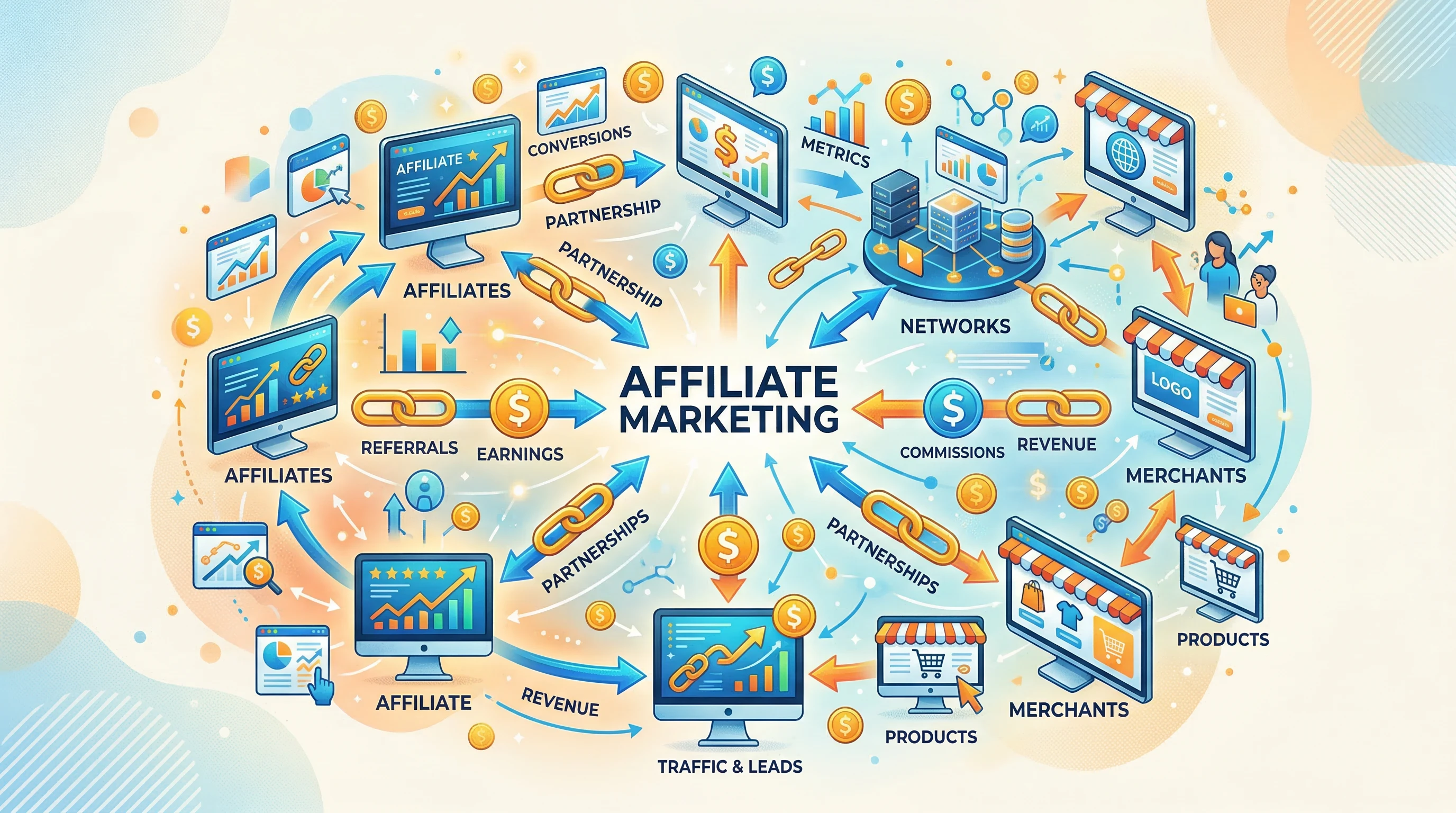
Affiliate Marketing: Breaking Down the Basics
Affiliate marketing is a way to earn money by promoting other people’s products or services. Instead of building your own products, you share special tracking links provided by companies or networks. These links record who buys or signs up as a result of your recommendation. If someone takes action through your link, you get a commission, which is your reward for driving a sale or lead.
Plenty of brands—from big ecommerce names to smaller niche businesses—use affiliate programs to reach more customers. For people like me, affiliate marketing can be an extra income stream, or a full-time income if you stick with it for the long run and work smart.
Core Components of Affiliate Marketing
Getting a grip on the main parts of affiliate marketing helps a lot. The three main players are:
- Affiliates: These are marketers or content creators (like me) who promote products and earn a commission. Affiliates might use blogs, YouTube, social media, or email lists to share their links and content with potential buyers.
- Merchants: These are companies or individuals who own the products and want to spread the word. They set up affiliate programs to reward anyone who helps drive new sales or leads.
- Networks: Not every affiliate program goes through a network, but a lot do. Networks like ClickBank, CJ Affiliate, and Awin help connect affiliates with different brands and handle tracking, payments, and reporting. Some networks offer access to hundreds or thousands of products, which makes finding offers easier.
Your role as an affiliate often means researching products you trust, creating valuable content around them, and sharing your link in a way that feels natural to your audience.
How Affiliates, Merchants, and Networks Work Together
The relationship between affiliates, merchants, and networks works like a team sport. Here’s how I usually explain it:
- The merchant creates the product and provides the affiliate program. They decide on the commission structure and the rules you need to follow.
- The network (if used) helps manage the program by offering dashboards to view stats, handling the technical side of tracking, and sometimes managing payments. Networks often make it easier for beginners by providing ready-to-use links and resources.
- The affiliate signs up, gets special tracking links, and starts promoting the offer through various channels and content types.
- When someone clicks your affiliate link and buys (or completes a required action), the network records the sale and the commission is logged automatically. After a set period (to avoid fraud or refunds), you get paid by the network or directly by the merchant.
Some companies run their own inhouse programs (like Amazon Associates), so there’s no network in between, just direct affiliate and merchant interactions. This can mean quicker approval and more direct relationships, but sometimes with limited product options.
Common Beginner Misunderstandings
When I first looked into affiliate marketing, the process seemed easy. Just grab a link and start earning, right? The reality’s a bit different, and I’ve noticed a few things newbies often miss:
- Quick Riches Expectation: Results don’t happen overnight. Most beginners underestimate how much consistent work it really takes to get clicks and sales. It’s normal for the first few months to be slow, but that’s part of building a foundation.
- Random Promotion: Promoting products you don’t believe in—or ones that don’t match your audience—rarely leads to success. Your content works best when it’s honest and relevant to your readers, so only recommend things you stand behind.
- Ignoring Compliance: Affiliate disclosures and program rules are key. You don’t want to lose your account or get in legal trouble, so always make it clear when you might earn a commission.
- OneChannel Focus: Relying on just one way to promote (like only Instagram or only a blog) can limit your results. Spreading out to other platforms helps your reach and builds resilience if one channel has issues.
Taking time to understand these points saves beginners a lot of headaches and wasted effort. If you treat affiliate marketing like any other business, you’re much more likely to succeed in the long run.
Your Step by Step Guide to Affiliate Marketing Success
Following a process makes things a lot easier, especially when you’re just getting started. Here’s my approach that covers the essentials:
- Pick Your Niche: Focus on a topic you actually care about—fitness, tech, parenting, finance, you name it. It’s easier to create content when you’re interested in the subject and it shows in your writing or videos.
- Find Quality Affiliate Programs: Look for companies or networks that offer products or services your audience would value. Make sure terms, payout rates, and support look good. Examples include Amazon Associates, ShareASale, or even direct brand programs. Read reviews from current affiliates if possible.
- Set Up Your Main Platform: Usually, this means building a blog or website, but some people focus on YouTube, podcasts, or social media. I find a blog gives you the most control and longterm visibility, but go with what you’re comfortable using. Choose platforms where your audience likes to hang out.
- Create ValueDriven Content: Reviews, tutorials, comparisons, and helpful tips work best. Focus on helping, not just selling. If you solve problems for your readers, they’ll trust your recommendations.
- Insert Affiliate Links: Place your links thoughtfully; naturally inside your content, as banners, or even as recommended resources. Always include proper disclosures to stay on the safe side and build trust.
- Grow Your Audience: Use SEO, social media, guest posting, forums, and email lists to increase your reach. Engaging with your community can help boost visibility and bring in targeted traffic interested in what you’re recommending.
- Analyze, Test, and Adjust: Watch your stats—clicks, commissions, top performing content—so you know what’s working. Don’t be afraid to tweak your approach, try new offers, or update old content for better results. The best affiliates are always learning and adapting.
This process can feel slow at first, but it really pays off as your audience grows and more people click your links. The effort you put in early on builds a foundation for passive income later.
Why Consistent Content Pays Off Over Time
Affiliate marketing rewards persistence more than anything. The content you post today might only get a few views, but as you add more highquality content, older pieces start showing up in searches, bringing in visitors on autopilot. This is the “compounding” effect that makes affiliate marketing really special and powerful.
For example, I’ve written reviews and tutorials that didn’t get much attention for several months. Suddenly, a year later, they started pulling in steady clicks, helping give a boost to my monthly payouts. That’s why sticking with it is so important; your efforts stack up, and the more you do, the better your results get.
You might also find that one piece of content unexpectedly performs better than anything else. Sometimes it’s a single blog post or video that becomes your main source of commissions for months or even years. That kind of “surprise winner” is more likely when you have a growing library of genuinely useful content.
Typical Challenges and How to Handle Them
Most affiliate marketers (myself included) hit speed bumps from time to time. A few common issues include:
- Low Traffic: It’s pretty common to hit a wall with traffic early on. Learning some basic SEO or exploring new platforms can help you bring in more visitors. Don’t be afraid to reach out to other creators or join online communities for tips.
- Conversion Troubles: If clicks aren’t turning into sales, check if your site loads fast, your content matches what people want, and your calls to action are clear. Also, review your product choices; do they really solve problems for your audience?
- Payout Delays: Networks pay on different schedules and often hold payments for a “pending” period. Make sure you know the rules, so there are no surprises. Set reminders for payout dates to help with budgeting and planning your business growth.
If you run into problems, searching through forums or affiliate marketing communities is pretty handy. Most issues have already been solved by others, and sharing your experience is a great way to get advice. Don’t hesitate to ask questions; the affiliate world is full of helpful people willing to share what they know.
Affiliate Marketing Jargon to Know
- Cookie Duration: The time window during which a sale is credited to you after someone clicks your link. Some programs offer longer durations, which can mean more earning opportunities.
- Commission Rate: How much you earn per sale or action (as a percent or flat amount). Higher commissions can make a niche more appealing, but also check the average order size and typical conversions.
- Tracking Link: The special URL that logs your referrals and lets the merchant or network know where to credit sales.
- Disclosure: A statement explaining you might earn a commission. This is legally required in many countries and helps build trust with your readers or viewers. Mine is located in the text of my “About Me” page.
RealWorld Examples of Affiliate Marketing in Action
I’ve seen all sorts of creators make affiliate marketing work. There’s the tech blogger who reviews gadgets, the travel vlogger sharing recommended gear links, and the finance writer comparing credit cards. Someone I know makes a steady side income just curating themed product lists for parenting blogs, which shows you don’t even need to be on camera or share personal stories to succeed.
- Product Reviews: Indept articles or videos that highlight the pros and cons of something you’ve tried. These are great for building trust and authority in your niche.
- Tutorials: Howto content that naturally introduces affiliate products as useful solutions to common problems. People often search for solutions, so teaching them while showcasing a product gives you credibility and helps both the reader and merchant.
- Resource Pages: Curated lists of helpful books, tools, or courses, each with its own affiliate link. These become handy reference points that your audience can return to over time.
The key is always to provide genuine value. People trust recommendations that feel real and not just like a sales pitch. Transparency and honesty go a long way in affiliate marketing.
Questions I Get About Affiliate Marketing
Question: Can you do affiliate marketing without a blog?
Answer: Yes! Lots of people use YouTube, TikTok, or even private communities. That said, a blog often gives you the best shot at longterm traffic and income, because your content gets found in search engines and keeps working for you even while you sleep.
Question: How much do affiliates usually earn?
Answer: Earnings are all over the place. A few bucks a month, a few hundred, or even thousands with enough traffic and good product choices. It depends on your niche, your content strategy, and how much effort you put in. Take the time to learn your audience and test what works best for them.
Question: Are there upfront costs?
Answer: You can start for free on social or YouTube, but running a blog comes with small costs; domain, hosting, and maybe some paid tools. Most people start simple and invest more once they start seeing results come in. The barrier to entry is low compared to most businesses.
Staying Motivated and Making It Work
Affiliate marketing isn’t a magic bullet, but it’s real, and it’s accessible to almost anyone with a bit of patience. I’ve found the best results come from focusing on helping my readers, experimenting, and learning as I go. Don’t get discouraged by small hiccups or slow progress. The compounding effect from consistent work really pays off, and you’ll be surprised at what’s possible in a year or two.
Whichever path you choose—blogging, video, or social—affiliate marketing rewards creativity and consistency. If you’re willing to learn and stick with it, you’ll see your results build over time and may even exceed your expectations. Whether you’re looking for a side income or to build a fulltime business, affiliate marketing offers a flexible, rewarding path for anyone ready to put in the work.

Keith Dyer shares practical tips, tools, and resources to help make building income online simpler and more approachable. Through this website, Keith provides helpful content and recommendations, including the Plug-In Profit Site, a system designed to help beginners get started online with a website, step-by-step training, and built-in income streams. Learn more about getting started with Plug-In Profit Site HERE.
this is an excellent primer for anyone feeling overwhelmed by the technical side of affiliate marketing. I really appreciated your focus on the “compounding effect” of content—it’s a great reminder that the work we do today is an investment that builds momentum over time.
Your point about avoiding “random promotion” is also spot on. In a market where trust is everything, recommending only what you stand behind is the only way to build a long-term brand.
I had one quick question: For a beginner just starting their first blog, do you recommend focusing on high-commission digital products right away, or is it better to start with well-known physical brands (like Amazon) to build up conversion confidence first?
Thanks for sharing such a clear, step-by-step roadmap!
Hi Iyere, I appreciate your comment. Thank you. As to your question. I think beginners would do well to start with well known brands until they have a good grasp on all aspects of the affiliate business. That said, both high-ticket and low-ticket items are essential in the long run. For more on this subject see my earlier post “How to Pick Affiliate Programs that Actually Pay“. Thanks again for your insightful comment.